
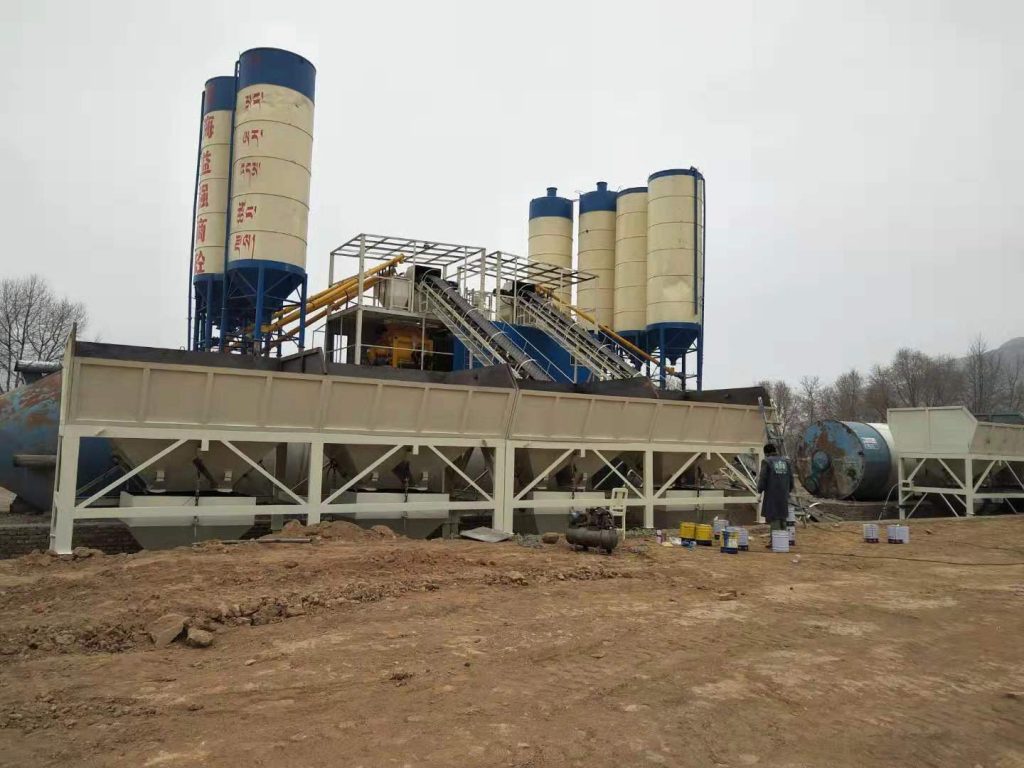
Incoming material inspection at a concrete batching plant covers cement, sand, coarse aggregate, admixtures and mixing water. Check the supplier documents and batch identity first, then sample and test the relevant properties: cement strength, setting and soundness; aggregate grading, fines, clay lumps and moisture; admixture identity and compatibility; and water quality. The applicable test frequency and acceptance limits depend on the local standard, project specification and contract.
A mix that pumps smoothly one day may become sticky or lose slump quickly the next. Changes in a cement batch, aggregate grading and moisture, mixing water, or admixture performance can all contribute. For ready-mix producers, incoming inspection links laboratory results to storage, batching and production records.
How should incoming materials be accepted?
Match the delivery note and quality certificate to the supplier, origin, product type, grade, batch, date and quantity. Look for damaged packaging, damp or caked cement, mixed or contaminated aggregates, and liquid admixtures with unusual separation, sediment or leakage.
Take representative samples under the applicable standard and the plant’s inspection plan. Identify the vehicle, supplier, batch, sampling time and storage location. Label and segregate material awaiting approval. Investigate or isolate suspect material before use. Recheck aggregate moisture when rain, drainage or the working face of a stockpile changes, and adjust wet aggregate weights and added water accordingly.
What should be tested in incoming cement?
Confirm the cement designation, strength class, batch and quality documentation. Common verification tests include compressive and flexural strength, initial and final setting times, and soundness; fineness and chloride content may be checked when required. A certificate is important, but the receiving plant must still follow its applicable retesting plan.
For cement supplied to GOST 31108-2020, Table 2, selected class requirements are shown below. Check the full cement designation and early-strength subclass as well as the test and conformity rules.
| Cement strength class | 28-day compressive strength, MPa | Initial set, not before | Soundness expansion, max. |
|---|---|---|---|
| 32.5 | 32.5–52.5 | 75 min | 10 mm |
| 42.5 | 42.5–62.5 | 60 min | 10 mm |
| 52.5 | ≥52.5 | 45 min | 10 mm |
Cement source or batch changes may affect setting, water demand and admixture compatibility. Review laboratory results alongside trial-mix workability and strength.
What tests matter for sand?
Inspect grading by sieving, fineness modulus, dust and clay particles, clay lumps and moisture content; check organic impurities or other properties where required. A similar fineness modulus does not mean that two sands have identical grading curves. After rain or a change of stockpile, moisture results should feed into batching corrections.
GOST 8736-2025 principally covers natural sands and specified natural-sand mixtures. In its grading classification, medium sand has a fineness modulus above 2.0 to 2.5 inclusive; coarse sand above 2.5 to 3.0; and sand of increased coarseness above 3.0 to 3.5. Selected limits in Table 4 are given as percentage by mass:
| Sand class and grading group | Dust and clay particles, max. | Clay lumps, max. |
|---|---|---|
| Class I: increased coarseness, coarse or medium | 2% | 0.25% |
| Class I: fine | 3% | 0.35% |
| Class II: increased coarseness, coarse or medium | 3% | 0.5% |
| Class II: fine or very fine | 5% | 0.5% |
The standard contains further classes and conditional exceptions; use the row and method relevant to the material. For crushed sand or other manufactured fine aggregate, identify the applicable product standard rather than assuming this table applies unchanged.
What should be checked in crushed stone or gravel?
Typical checks include particle grading, maximum size, dust and clay particles, clay lumps, flaky and elongated particles, and crushing resistance. Depending on the project, the specification may also require water absorption, soundness, frost resistance or alkali reactivity. Under GOST 8267-93, limits depend on the rock type, grade and intended use; there is no single dust limit for every aggregate. A clean-looking stone is not proof that its grading, strength or durability is suitable.
How is concrete mixing water checked?
Water quality cannot be judged by appearance alone. Potable water is generally suitable subject to applicable local rules; groundwater, surface, industrial and recycled water require assessment under the applicable specification. Salts and impurities can affect setting, durability and reinforcement corrosion.
GOST 23732-2011, Table 1 gives different limits by intended use. The following are selected maximum values in mg/L, not universal limits for all concrete:
| Mixing-water use | Dissolved salts | Sulfate ions | Chloride ions | Suspended particles |
|---|---|---|---|---|
| Prestressed reinforced concrete | 2,000 | 600 | 500 | 200 |
| Concrete and reinforced concrete with non-prestressed reinforcement | 5,000 | 2,700 | 1,200 | 200 |
| Unreinforced structures with no restriction on efflorescence (specified category) | 10,000 | 2,700 | 4,500 | 300 |
The same standard specifies pH from 4 to 12.5, combined sodium and potassium ions no greater than 1,500 mg/L and oxidizability no greater than 15 mg/L. Compliance with these values alone is not a complete suitability assessment: check the full standard, impurities and the required comparative tests for setting and concrete performance.
How should admixtures be inspected?
Water reducers, retarders and air-entraining admixtures have different compositions and functions. Confirm the product name, type, batch, shelf life, recommended dosage and documentation. Depending on the product, inspect appearance, density, solids or moisture content and pH against its own technical specification. There is no universal density, pH or solids limit for every admixture.
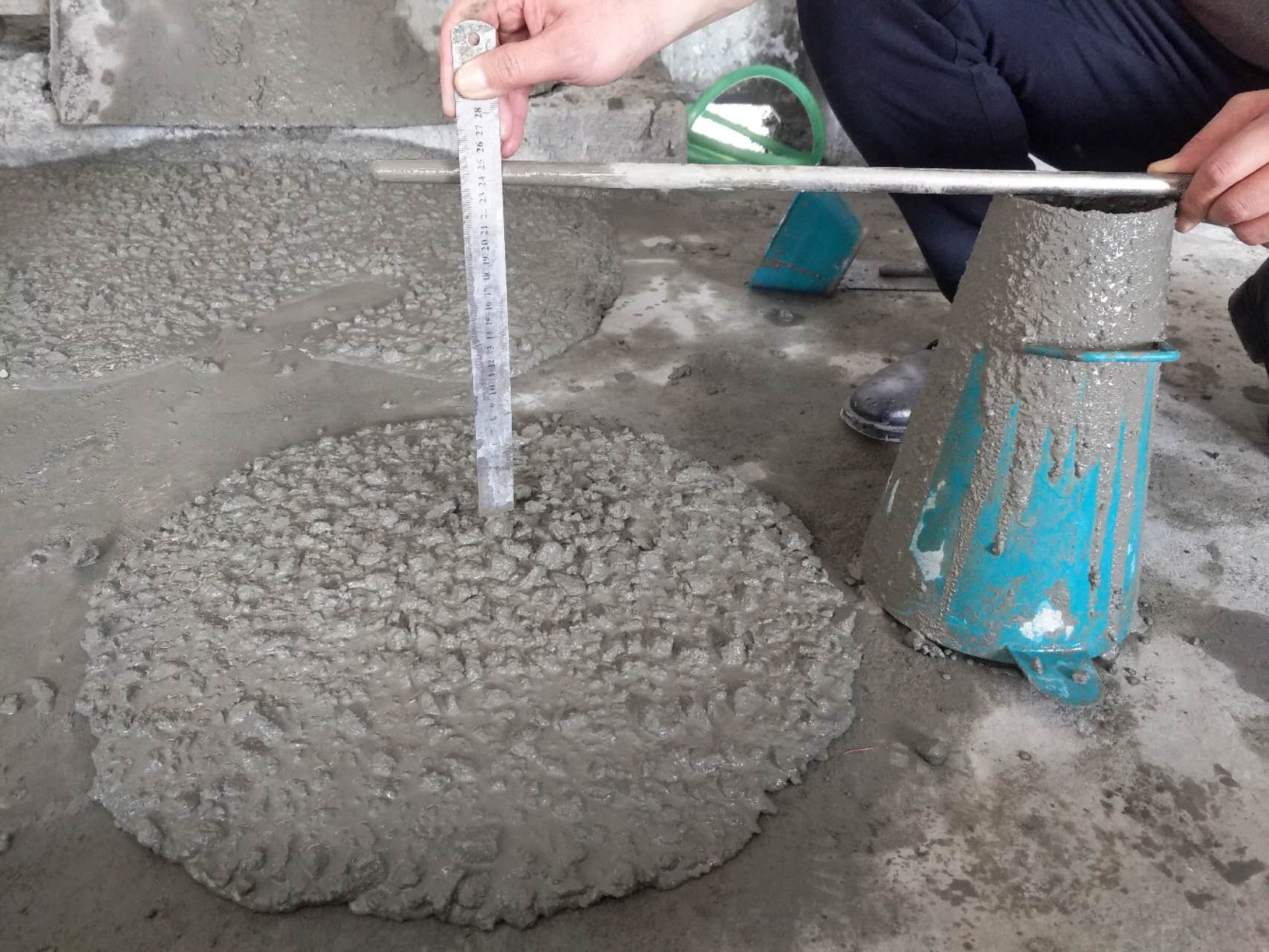
Trial mixes using the plant’s actual cement and aggregates can assess water reduction, setting, air content, bleeding, slump retention and strength ratio, as relevant to the product. Recheck compatibility when the cement, admixture or aggregate source changes. See GOST 24211-2008 and the applicable product documents.
How do inspection results affect batching plant equipment selection?
Aggregate fractions, maximum size and moisture variation affect the number of bins, conveying and batching arrangements. Cement consumption and delivery intervals influence silo capacity and screw-conveyor selection. Water and admixture dosing systems must suit the mix design and actual production range. Connecting laboratory information with batch records helps the plant investigate whether a change in concrete performance relates to materials, measurement or operation.
JS Concrete Mixer supplies stationary and mobile concrete batching plants, JS twin-shaft mixers and supporting systems. Equipment configuration should be discussed against production target, aggregate sizes, cement storage needs, site layout, local power and climate. Automation helps execute a mix consistently; it does not replace material testing or mix design.
Explore the batching plant and mixer range, or see the guide to aggregate bin planning.
How can a plant close the quality-control loop?
Use a traceable sequence: document and batch check → visual inspection → representative sampling → tests and, where needed, compatibility trials → quality approval → segregated storage → production monitoring and records. Link supplier, batch, test report, storage bin, mix design and production batch. Investigate material changes, abnormal results, sudden moisture shifts or unexpected slump and strength variations.
Frequently asked questions
Which materials should a concrete plant inspect on arrival?
Cement, sand, coarse aggregate, admixtures and mixing water are the common groups. The precise checks and frequency depend on local requirements, material risk and the plant’s inspection plan.
Is a cement certificate enough?
Not necessarily. A certificate identifies the supplier’s declared quality, while incoming retesting must follow the applicable standard, contract and plant plan.
Does a suitable fineness modulus mean that sand is acceptable?
No. Review the actual grading curve, dust and clay particles, clay lumps, moisture and any other project-specific requirements.
Can an admixture be approved from density or pH alone?
No. Use the product-specific criteria and test its compatibility with the actual cement, aggregates and mix where required.
Do the same GOST limits apply throughout Central Asia?
Do not assume so. Countries may adopt different editions or national standards, and limits also depend on material classification and structural use. Verify the edition in force at the project location.
Can a batching plant manufacturer guarantee raw-material quality?
Equipment suppliers provide the contracted storage, dosing and mixing systems. Material suppliers, the plant laboratory and the project quality team have their own responsibilities for material acceptance.
Standards and further reading
The numerical examples above are conditional examples from the cited editions, not blanket acceptance criteria. Before purchasing or production, confirm current national adoption, local regulations, project design and contract requirements.
- GOST 31108-2020: common cements
- GOST 8736-2025: sand for construction; Kazakhstan record for GOST 8736-2014
- GOST 8267-93: crushed stone and gravel
- GOST 23732-2011: water for concrete and mortar
- GOST 24211-2008: concrete admixtures
Planning a concrete batching plant? Send your project location, required output, aggregate fractions and maximum size, cement consumption, site conditions and local power supply to JS Concrete Mixer. English inquiries: +86 185 3825 0389.