
75 M³/H STATIONARY CONCRETE BATCHING PLANT
HZS75 Concrete Batching Plant
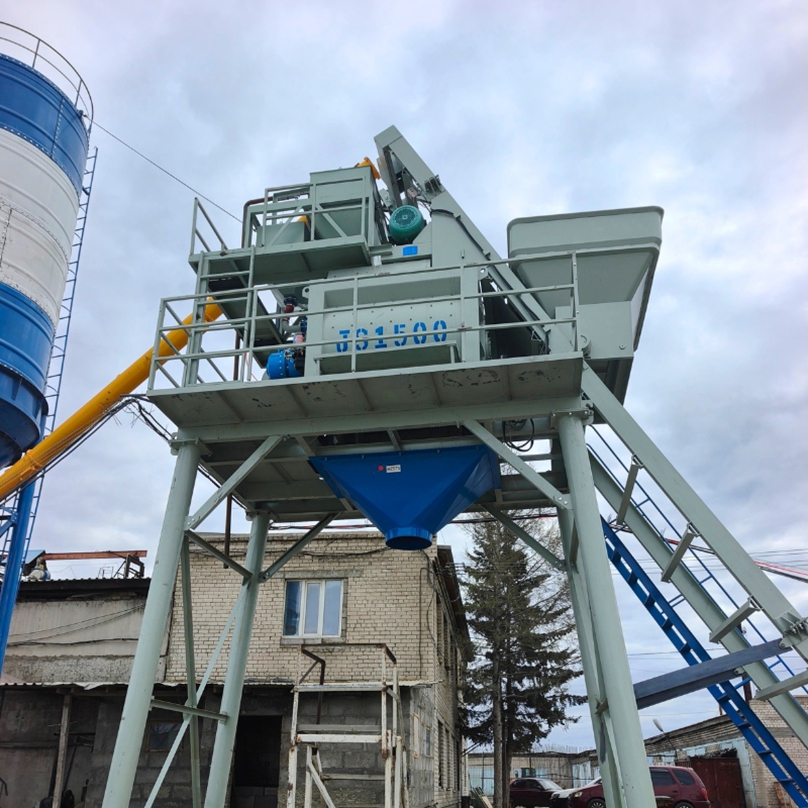
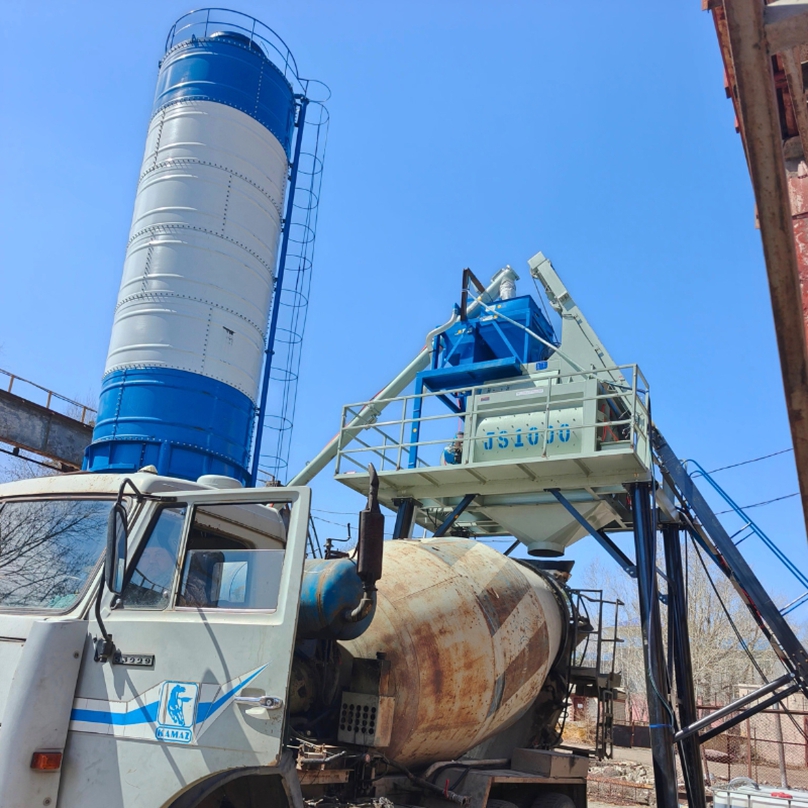
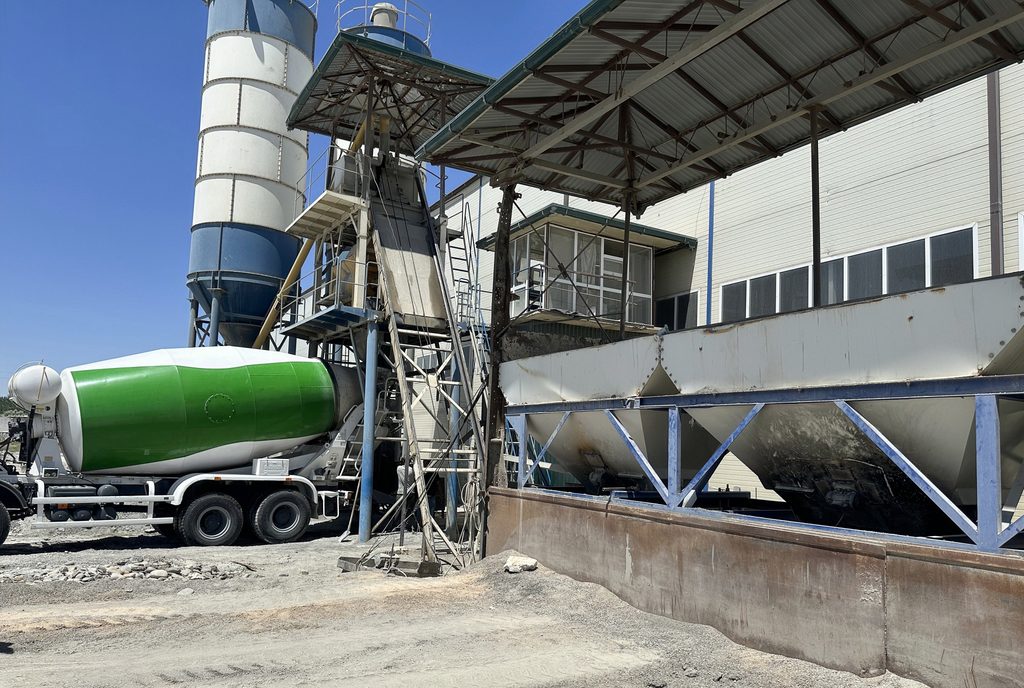
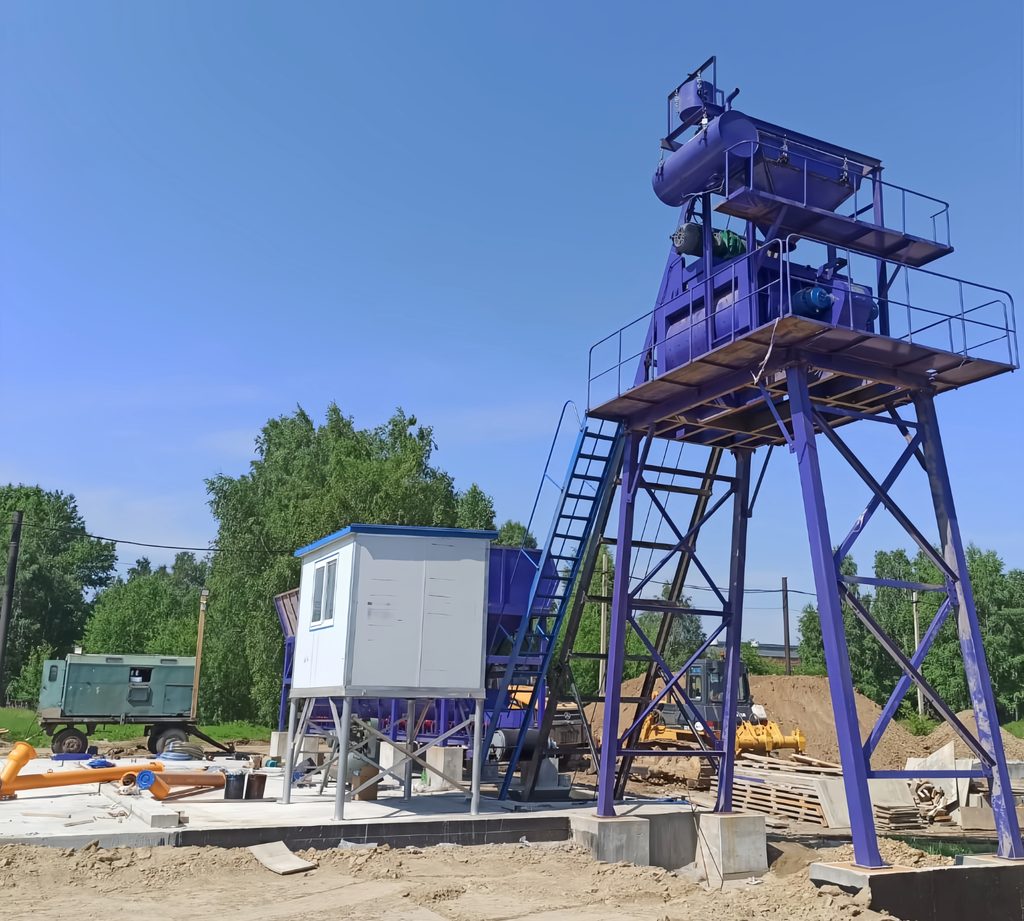
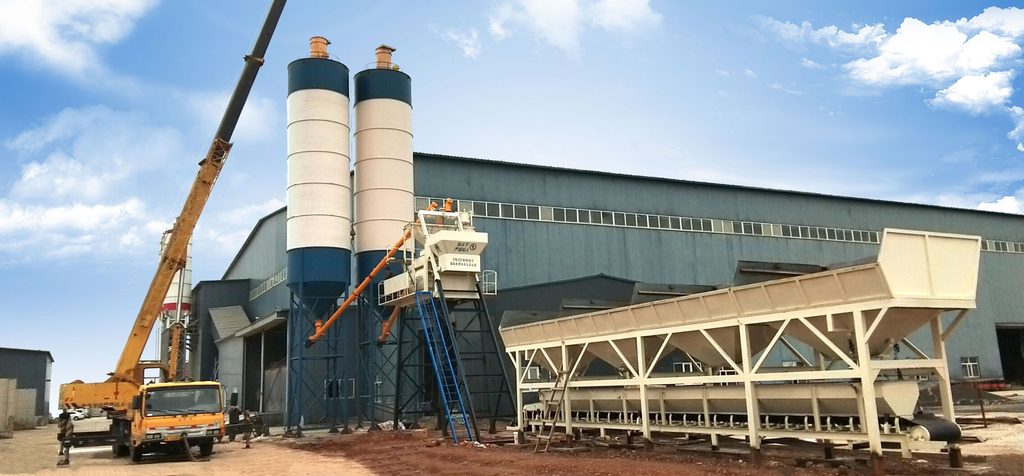
The HZS75 is a medium-capacity stationary concrete batching plant for ready-mix concrete, precast production, roads, bridges and infrastructure projects. A typical HZS75 configuration uses a JS1500 twin-shaft compulsory mixer, PLD2400 aggregate batching system, skip-hopper aggregate feeding, independent weighing and automatic PLC control.
75 m³/h
Theoretical Output
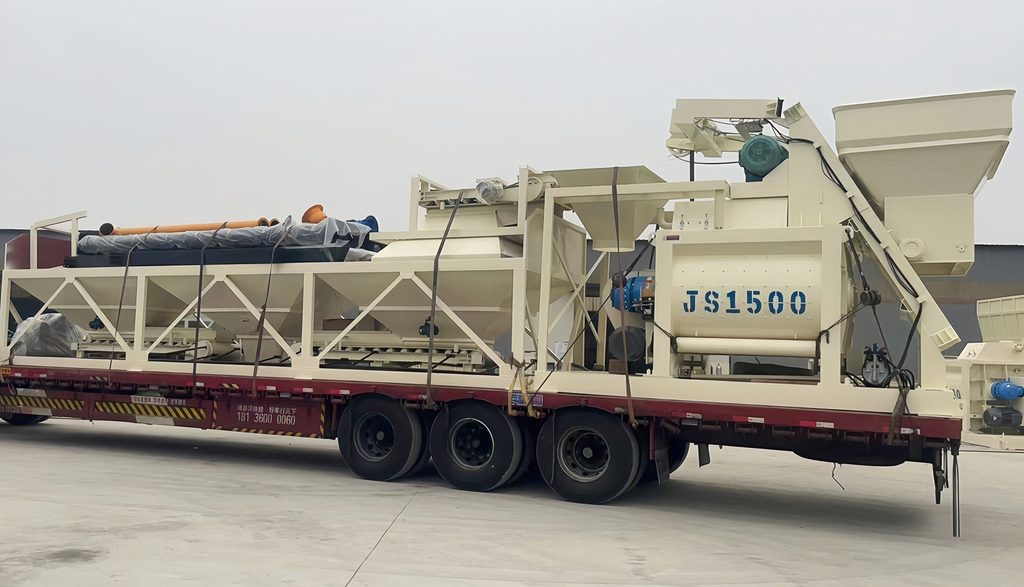
JS1500
Twin-Shaft Mixer
1500 L
Nominal Discharge
PLD2400
Typical Batching System
Why Choose the HZS75?
75 m³/h Production Class
The HZS75 provides a practical production level for medium-size concrete supply and engineering projects while retaining a relatively compact stationary layout.
JS1500 Compulsory Mixing
The JS1500 twin-shaft mixer provides a nominal 1500 L discharge per batch and strong compulsory mixing for commercial and project concrete recipes.
Compact Skip-Hopper Feeding
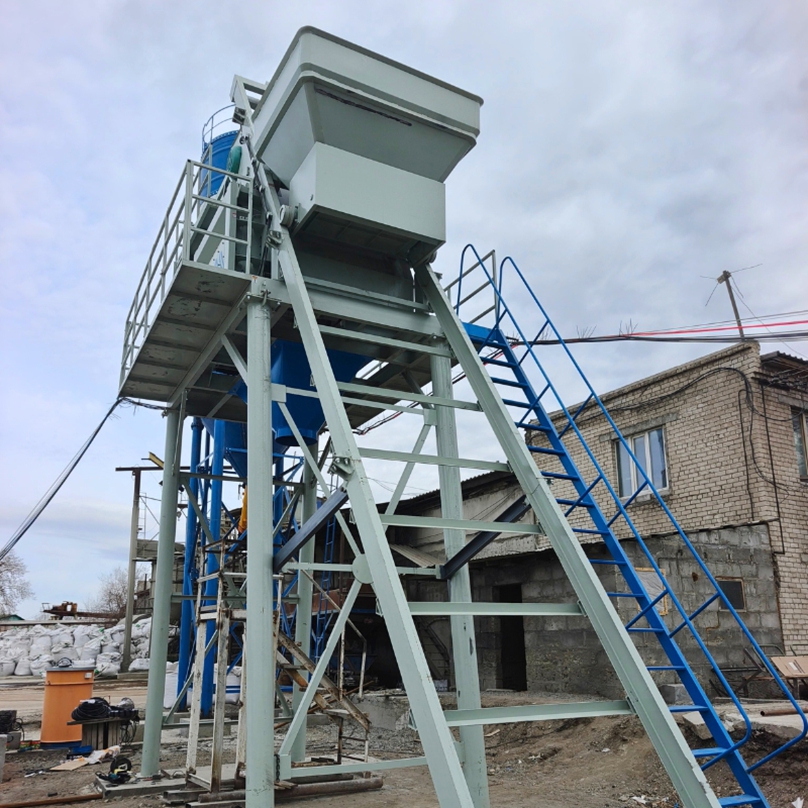
A typical HZS75 uses skip-hopper aggregate feeding, helping reduce conveyor length and making the plant suitable where site space is more limited.
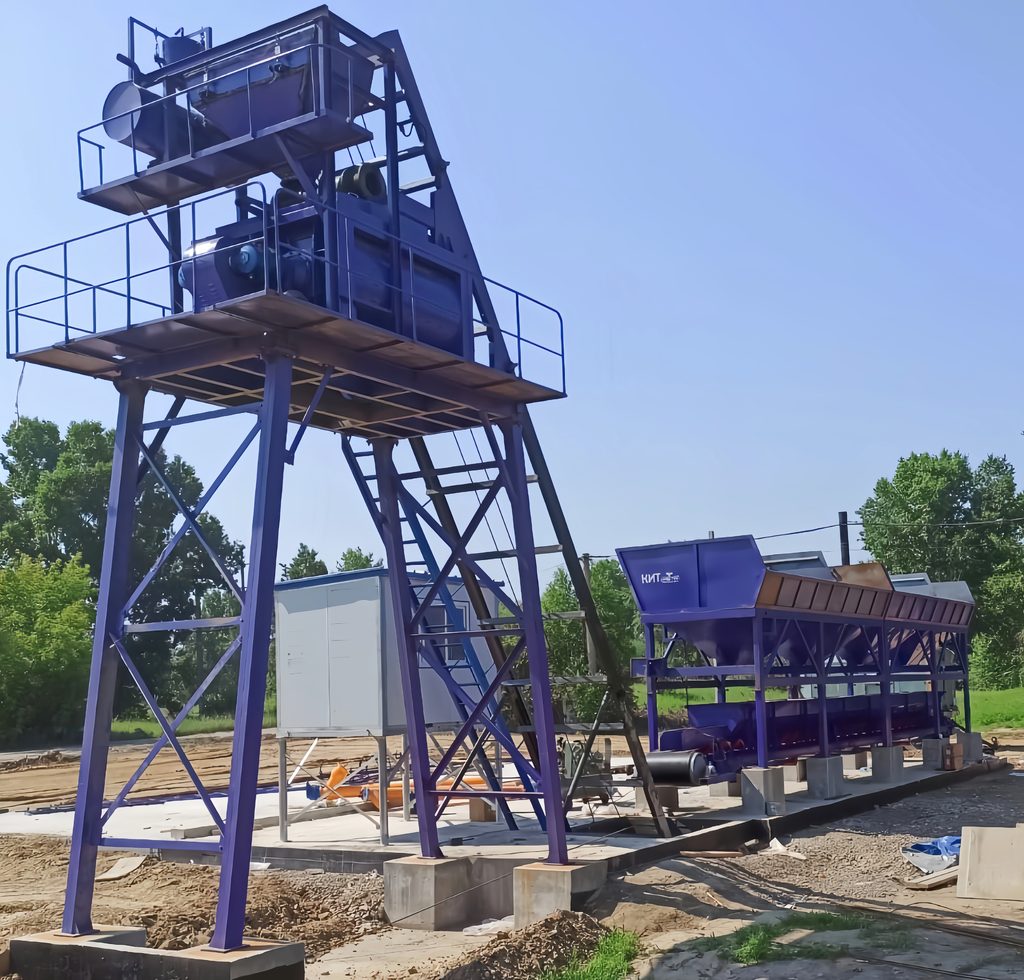
HZS75 Technical Specifications
| Theoretical Productivity | 75 m³/h |
| Main Mixer | JS1500 twin-shaft compulsory mixer |
| Nominal Discharge Capacity | 1500 L |
| Typical Aggregate Batcher | PLD2400 |
| Aggregate Feeding | Skip hopper, typical configuration |
| Typical Working Cycle | About 60–72 seconds, depending on recipe and configuration |
| Maximum Aggregate Size | Typically up to 60/80 mm, depending on aggregate type and configuration |
| Aggregate Weighing Accuracy | Typically ±2% |
| Cement / Powder Weighing Accuracy | Typically ±1% |
| Water Weighing Accuracy | Typically ±1% |
| Admixture Weighing Accuracy | Typically ±1% to ±2%, depending on weighing configuration |
| Discharge Height | Typically about 3.8–4.1 m |
| Control System | PLC / computer automatic control with manual operating functions |
Reference specifications vary by manufacturer and project configuration. Total power, aggregate-bin capacities, weighing ranges, dimensions, electrical components and final layout are confirmed in the project proposal.
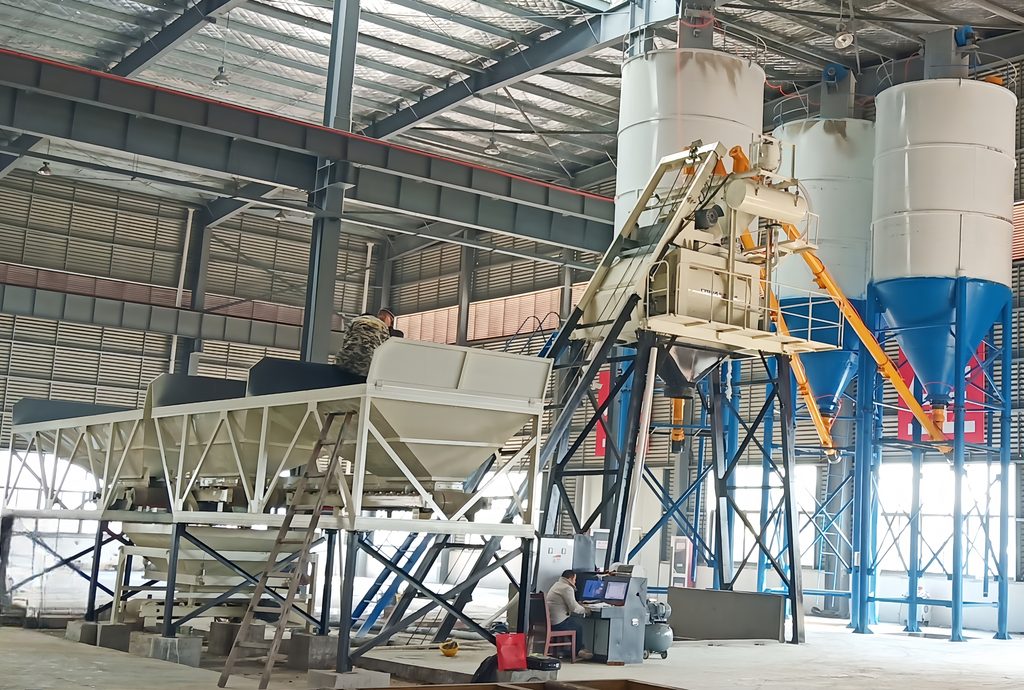
Main Components of the HZS75
JS1500 Twin-Shaft Mixer
The JS1500 is the typical mixing unit for HZS75. Twin-shaft compulsory mixing provides intensive material circulation and consistent mixing for different concrete recipes.
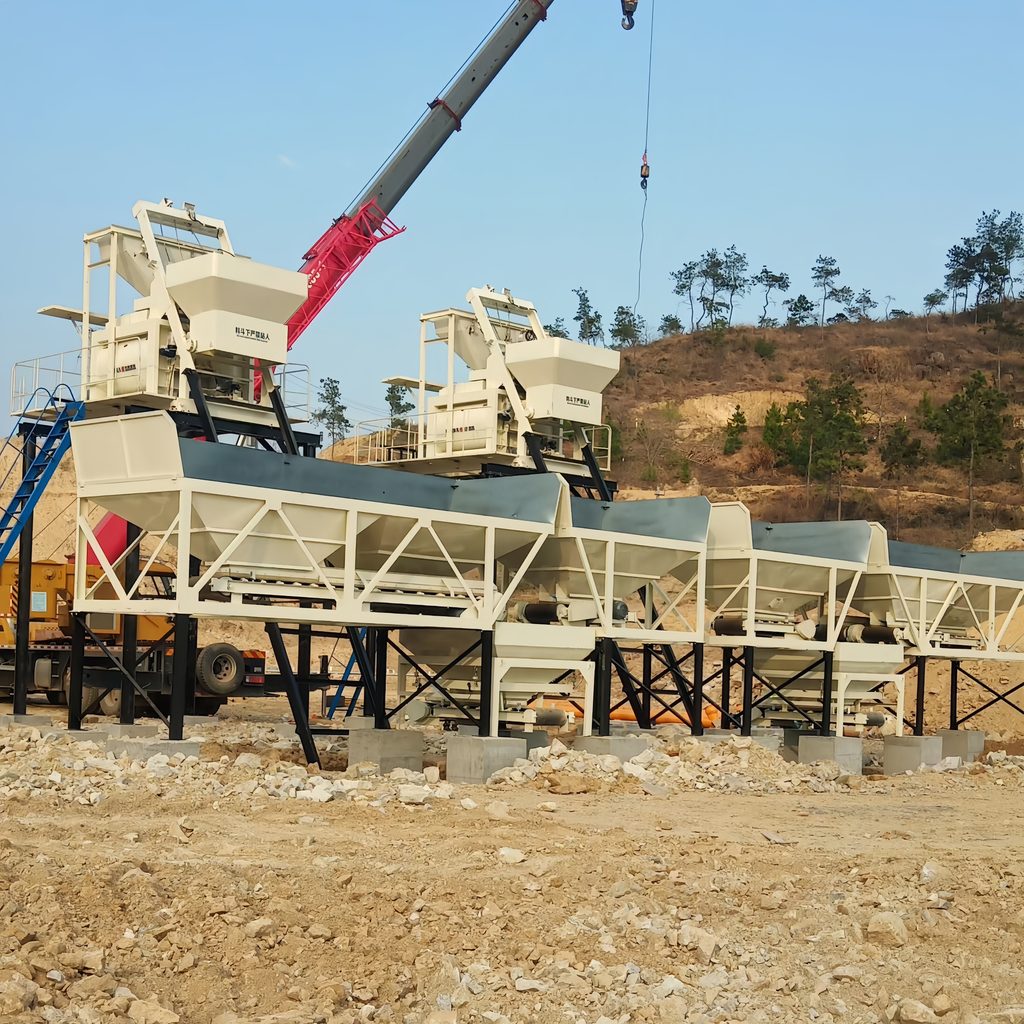
PLD2400 Aggregate Batching
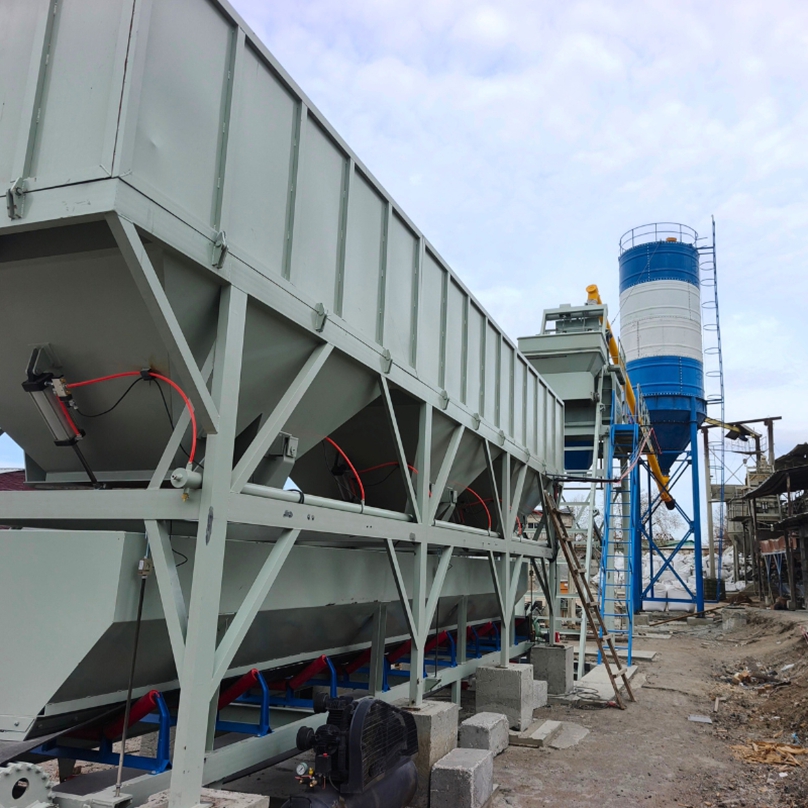
The PLD2400 batching system stores multiple aggregate fractions and weighs them according to the programmed recipe before they are transferred to the mixer.
Independent Weighing Systems
Aggregate, cement and other powders, water and admixtures are measured through dedicated weighing systems for repeatable batch production.
Silos, Screw Conveyors & Control
Cement and other powders can be stored in project-selected silos and transferred by screw conveyors. The control system coordinates batching, weighing, feeding, mixing and discharge.
How the HZS75 Works
1. Aggregate Batching
Different aggregate fractions are stored and weighed according to the concrete recipe.
2. Skip-Hopper Feeding
Weighed aggregate is lifted from the batching system to the mixing unit.
3. Powder Weighing
Cement, fly ash or other configured powders are conveyed from silos and weighed.
4. Water & Admixture Metering
Water and admixtures are measured according to the programmed recipe.
5. JS1500 Mixing
All measured materials enter the JS1500 twin-shaft mixer for compulsory mixing.
6. Concrete Discharge
The finished concrete is discharged to a mixer truck or downstream production equipment.
Optional Configurations & Applications
Configuration Options
- 3- or 4-bin aggregate batching arrangements
- Project-selected cement and powder silo capacities
- Screw conveyor quantity and arrangement
- Dust collection and enclosure systems
- Water and admixture weighing configuration
- Electrical components for destination voltage and frequency
- Cold-weather or hot-climate solutions
- Project-specific plant and traffic layout
Typical Applications
- Ready-mix concrete production
- Road and bridge construction
- Precast concrete production
- Building and municipal projects
- Water conservancy construction
- Medium-size infrastructure projects
Installation, Transport & Commissioning
The final HZS75 layout should consider aggregate-bin position, skip-hoist arrangement, cement silos, mixer-truck access, foundation conditions and electrical supply. For export projects, container transport, destination voltage/frequency, local climate and environmental requirements should be considered before the final configuration is confirmed.
Foundation information, installation requirements, commissioning support and spare-parts requirements can be confirmed together with the technical proposal.
HZS75 FAQ
What is the capacity of the HZS75 concrete batching plant?
The reference theoretical productivity is 75 m³/h. Actual output depends on concrete recipe, mixing time, material feeding, discharge cycle and operating conditions.
Which mixer is normally used for HZS75?
A typical HZS75 configuration uses a JS1500 twin-shaft compulsory mixer with a nominal discharge capacity of 1500 L.
Does HZS75 use skip-hopper or belt-conveyor feeding?
Many standard HZS75 configurations use skip-hopper aggregate feeding. Belt-fed variants also exist from some manufacturers, so the final feeding method should be confirmed against the selected project configuration.
Can HZS75 be customized for export projects?
Yes. Silo combinations, aggregate bins, screw conveyors, electrical standards, enclosure, dust collection and climate-protection options can be selected according to destination and site requirements.
Get HZS75 Specifications, Configuration & Price
Send us your destination country, required output, concrete application, aggregate specification, powder materials, silo requirements, voltage/frequency and site conditions. We can prepare an HZS75 technical configuration and quotation for your project.