
4500 L TWIN-SHAFT CONCRETE MIXER
JS4500 Twin-Shaft Concrete Mixer
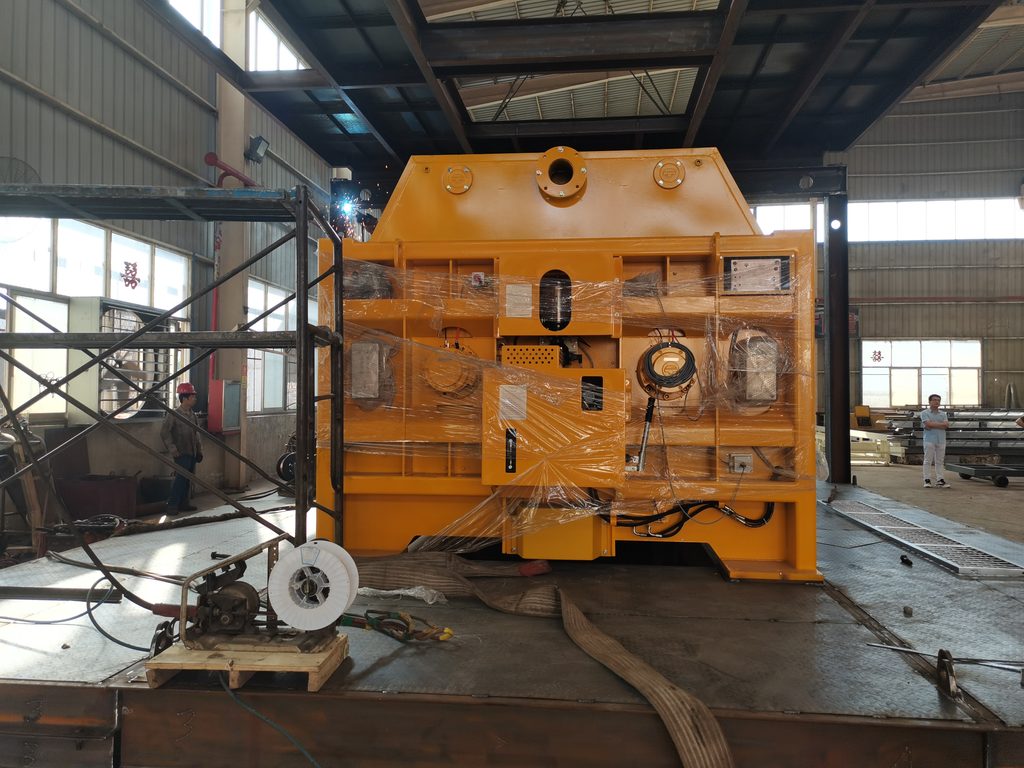
The JS4500 is a forced twin-shaft concrete mixer for concrete batching plants, precast production, road and bridge projects, water-conservancy works and independent concrete production lines. It is designed for intensive mixing and can be configured around project voltage, drive system, lubrication and discharge requirements.
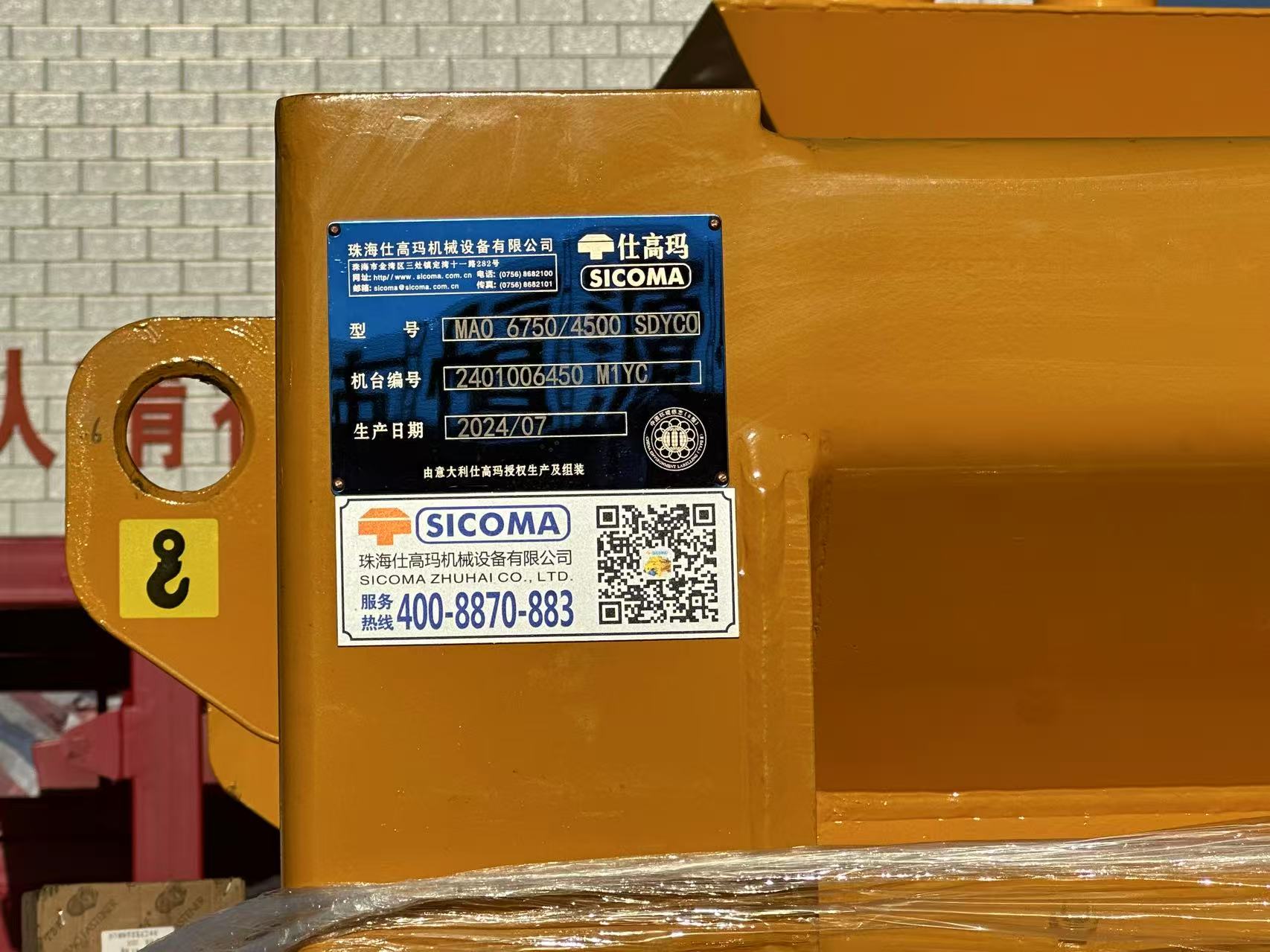
4500 L
Nominal Discharge
7200 L
Typical Charging Capacity
Twin Shaft
Forced Mixing
Heavy Duty
Replaceable Wear Parts
Why Choose the JS4500 Concrete Mixer?
Intensive Twin-Shaft Mixing
Counter-rotating shafts and arranged mixing arms promote rapid material circulation and uniform mixing for plastic, dry and multiple concrete recipes.
Wear-Resistant Mixing System
Liners, mixing arms and blades can use high-wear-resistant materials and are designed as service parts for maintenance and replacement.
Project-Specific Configuration
Voltage, motor, gearbox, lubrication and discharge actuator can be selected according to the final production line.

JS4500 Technical Specifications
| Model | JS4500 |
| Mixer Type | Twin-shaft compulsory concrete mixer |
| Nominal Discharge | 4500 L |
| Typical Charging Capacity | 7200 L |
| Suitable Materials | Plastic, dry and multiple concrete mix designs |
| Discharge | Project-specific pneumatic or hydraulic arrangement |
| Lubrication | Centralized lubrication available |
| Electrical Standard | Configured for destination voltage and frequency |
Motor power, maximum aggregate size, dimensions and machine weight vary by manufacturer and final configuration and must be confirmed before order.
Main Components
Mixing System
Twin horizontal shafts, mixing arms and blades form the core compulsory mixing system.
Wear Protection
Replaceable liners and wear components help simplify routine maintenance.
Shaft-End Sealing & Lubrication
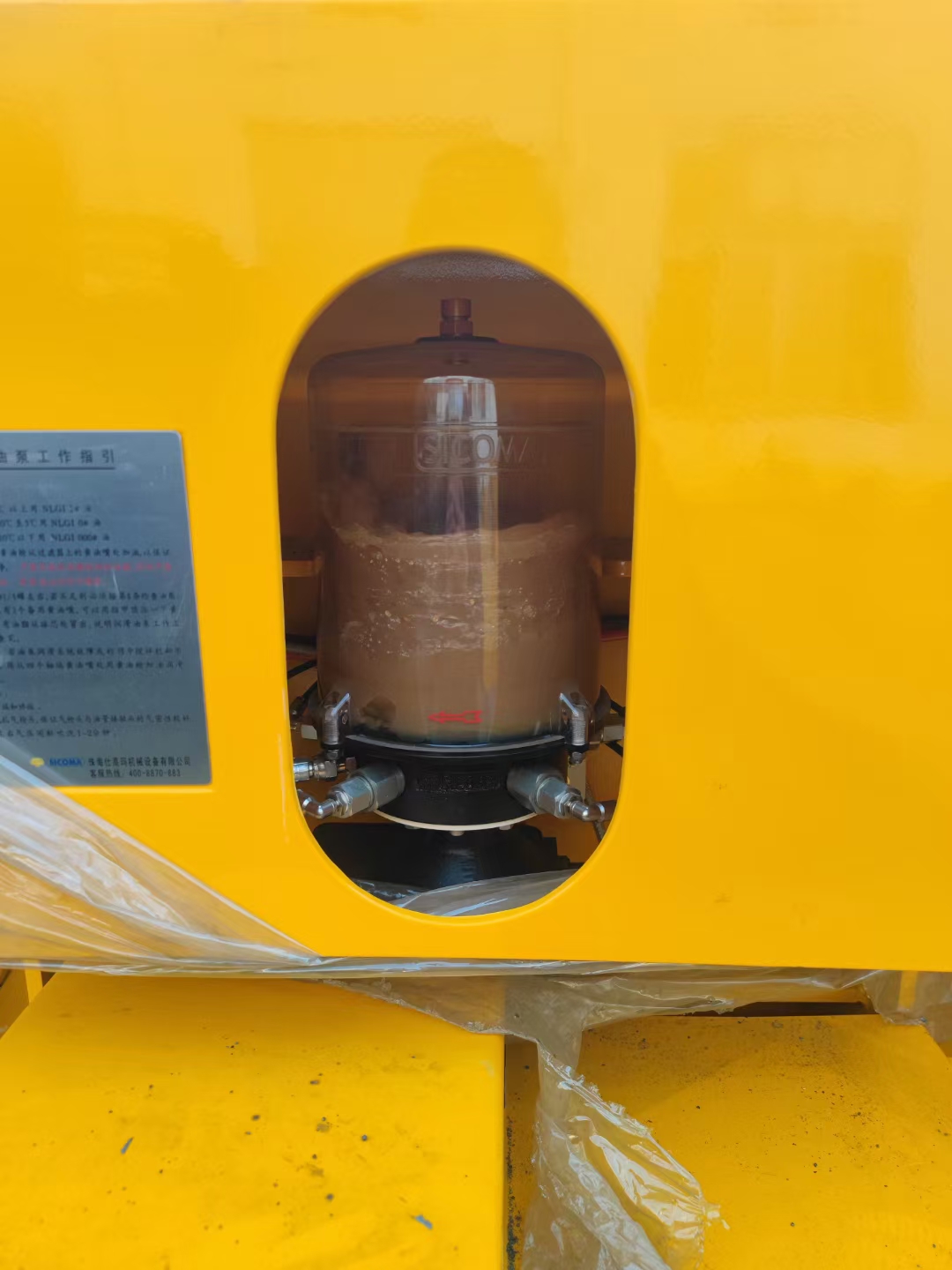
Shaft-end sealing and centralized lubrication are key modules for long-term reliability and should be maintained according to the operating schedule.
Drive & Discharge
Drive, gearbox and discharge mechanism are selected according to the final equipment configuration.
How Twin-Shaft Mixing Works
- Measured aggregates and powders enter the mixing chamber.
- Water and admixtures are introduced according to the recipe.
- Two horizontal shafts drive mixing arms through the material in overlapping mixing zones.
- Materials circulate rapidly for uniform blending.
- After the required mixing cycle, the discharge gate opens and concrete enters the receiving system.
Applications
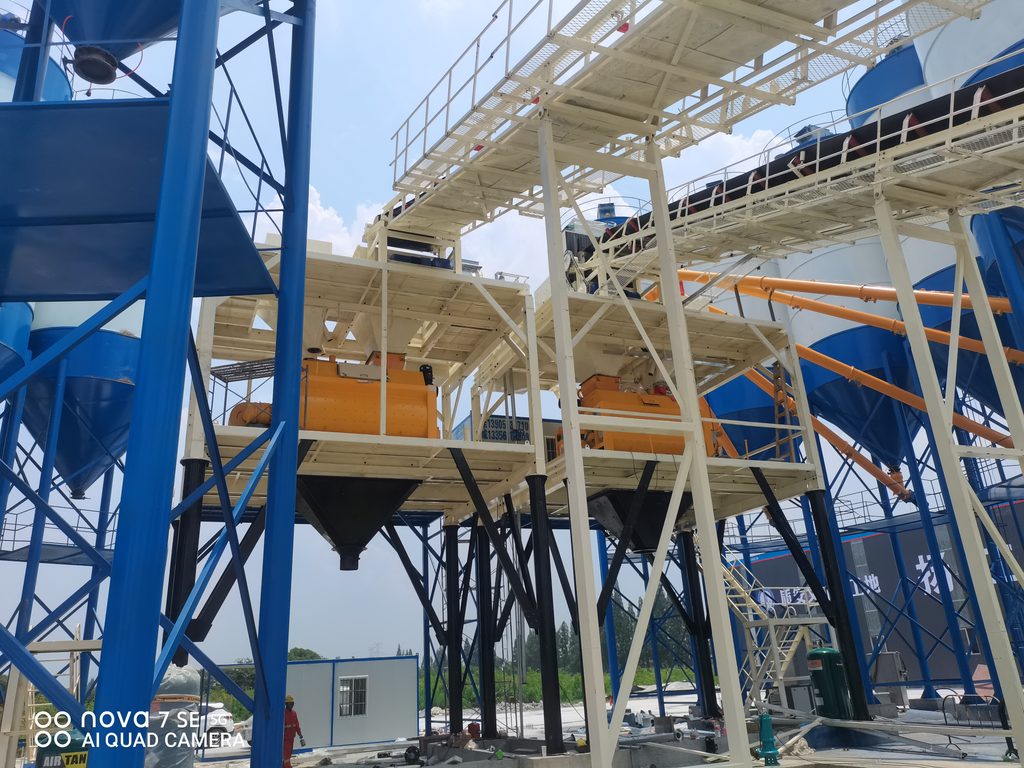
The JS4500 can be used as the main mixer in concrete batching plants, precast component factories, road and bridge projects, water-conservancy construction and independent concrete production lines.
Configuration Options
Options can include motor and gearbox selection, centralized lubrication, discharge actuator, wear-part material, electrical standard and interface arrangement for the batching plant control system.
Maintenance Focus
Routine inspection should focus on mixing blades and liners, shaft-end seals, lubrication points, gearbox and drive components, discharge mechanism and fasteners. Wear parts should be replaced according to actual abrasion and production conditions.
Frequently Asked Questions
What is the nominal discharge capacity of the JS4500?
The model designation corresponds to a nominal discharge of approximately 4500 L per batch.
Can the mixer work with different concrete recipes?
Yes. Twin-shaft compulsory mixers are commonly used for plastic, dry and multiple concrete formulations; the final recipe and cycle should be validated for the project.
Can electrical components be configured for export?
Yes. Voltage, frequency and selected drive/control components should be confirmed before production.
What information is needed for a quotation?
Please provide required mixer capacity, concrete application and recipe, aggregate characteristics, destination voltage/frequency, installation arrangement and any preferred motor, gearbox or control brands.
Get a JS4500 Mixer Configuration
Send your concrete application, required capacity, recipe, aggregate information, voltage/frequency and installation requirements. We will prepare a project-specific configuration and quotation.